

Why Off-Grid Solar Power is the Ultimate Energy Independence Solution
Solar power with battery storage to make electricity off grid works by capturing sunlight through solar panels during the day, converting it to electricity, and storing excess energy in batteries for use when the sun isn’t shining. Here’s how the system operates:
- Solar panels collect sunlight and convert it to DC electricity
- Charge controller regulates power flow to prevent battery overcharging
- Battery bank stores excess energy for nighttime and cloudy days
- Inverter converts stored DC power to AC electricity for home use
- Backup generator (optional) provides power during extended low-sun periods
The dream of energy independence is closer than ever. Rising electricity costs, frequent power outages, and growing environmental concerns are pushing more homeowners toward off-grid solutions. According to the U.S. Energy Information Administration, residential electricity prices have steadily increased over the past decade, making renewable energy alternatives increasingly attractive.
Going off-grid means cutting ties with your utility company completely. You become your own power plant, generating and storing all the electricity you need right on your property.
The technology has improved dramatically over the past decade. Modern solar panels are more efficient, and lithium batteries last longer and charge faster than older lead-acid systems.
But making the switch requires careful planning. You need to size your system correctly, understand your energy needs, and prepare for the initial investment.
I’m Rody Jonas, owner of Pure Power Solutions, and I’ve been helping Northern California homeowners implement solar power with battery storage to make electricity off grid since 1993. My company specializes in designing custom off-grid systems that match your specific energy needs and budget, ensuring you get reliable power year-round.
Understanding Off-Grid Solar Systems
When you choose an off-grid setup, you’re making a bold decision to become completely energy independent. Unlike systems that stay connected to the utility grid, your off-grid system has no safety net – it must produce and store every single watt of electricity your home needs.
Think of it this way: grid-tied systems are like having a checking account with overdraft protection. Off-grid systems? You can only spend what you’ve saved.
The magic happens through three essential components working together. Solar panels capture sunlight and convert it to electricity during the day. Your battery capacity stores that energy for nighttime and cloudy periods. And smart power management ensures everything runs smoothly without waste.

Here in Northern California, we’re blessed with abundant sunshine – but it’s not constant. Across Sonoma, Napa, Marin, Mendocino, and Lake County, we typically see 4-6 peak sun hours per day. That sounds low, but peak sun hours represent the equivalent of full-strength sunlight, not total daylight hours.
Your battery capacity becomes your lifeline during those inevitable stretches of cloudy weather. Most families feel comfortable with 2-3 days of stored power, though I’ve designed systems for clients who want a full week of backup. It really depends on your peace of mind and local weather patterns.
The reality of solar power with battery storage to make electricity off grid is both liberating and demanding. Every appliance you run, every light you turn on, draws from your personal energy bank account. There’s no utility company to call when you run short – just your panels, batteries, and careful energy management.
This self-sufficiency requires more thoughtful system design than grid-tied installations. We can’t just estimate your needs and let the grid handle the rest. Every component must be sized perfectly for your specific situation and energy habits.
Solar Power with Battery Storage to Make Electricity Off Grid
Solar power with battery storage to make electricity off grid creates a beautiful dance between nature and technology. When the sun rises each morning, your solar panels begin their quiet work, converting sunlight into clean electricity for your home.
Here’s where the magic happens: during those bright afternoon hours, your panels typically produce far more power than you’re actually using. Instead of letting that precious energy go to waste, it flows seamlessly into your battery bank through a smart charge controller that acts like a careful guardian, preventing overcharging and keeping your batteries healthy for years to come.
Your solar batteries become your personal power vault, storing all that sunshine as DC electricity. Then, when evening falls or clouds roll in, your inverter steps up to convert that stored DC power back into the AC electricity that runs your lights, refrigerator, and everything else in your home.
What really impresses me after three decades in this business is how intelligent modern power storage systems have become. Today’s smart inverters are like having a personal energy manager that never sleeps. They constantly monitor how much power you’re producing, how much you’re using, and automatically decide whether to pull from your solar panels, tap into your batteries, or fire up a backup generator if you have one.
The seamless switching happens so smoothly that you’ll never notice the transition. Your lights stay on, your coffee maker keeps brewing, and your home stays comfortable regardless of what’s happening outside.
I’ve had the privilege of designing systems that provide complete energy autonomy for all kinds of homes across Northern California – from cozy weekend cabins in Mendocino County to sprawling family estates in Napa Valley. The secret isn’t building the biggest system possible; it’s creating the right system that matches your actual daily energy needs.
Choosing the Right Solar Panels
The efficiency of your solar panels directly determines how much daily solar production you can squeeze from every square foot of your roof. It’s like comparing different engines – some just get more miles per gallon.
Today’s panels typically range from 19% to 22% efficiency, and those percentage points really add up when you’re living completely off-grid. Higher-efficiency panels mean you can generate the same amount of power with fewer panels, which is especially valuable if your roof space is limited.
For off-grid applications, I almost always recommend monocrystalline panels. They’re the workhorses of the solar world, maintaining excellent performance even when conditions aren’t perfect. During those foggy Sonoma County mornings or overcast winter days, these panels keep producing power when you need it most.
Here’s something many people don’t consider: panel degradation. Quality panels lose less than half a percent of their efficiency each year, which means they’ll still be cranking out over 85% of their original power after 25 years. That’s a quarter-century of reliable service!
Your roof’s orientation and any shading issues play a huge role in your daily solar production. South-facing roofs with clear exposure to the sun are ideal, but I’ve designed plenty of successful systems using east-west configurations when we plan everything correctly from the start. The National Renewable Energy Laboratory provides excellent resources on solar panel positioning and efficiency factors.
Selecting the Appropriate Battery Storage
Your battery bank size is like choosing the right size gas tank for a cross-country road trip. Too small, and you’ll run out of power when you need it most. Too large, and you’re paying for capacity you’ll never use.
We calculate your needs based on your daily energy consumption and how many days of backup power you want. Most families feel comfortable with 2-3 days of stored energy, though some prefer a full week of autonomy for complete peace of mind.
Lithium batteries have revolutionized off-grid living. While they cost more upfront than traditional lead-acid batteries, they typically last 10-15 years compared to just 5-7 years for lead-acid systems. When you factor in the longer lifespan and better performance, lithium often costs less over time.
The discharge and recharge cycles tell the real story of battery value. Lithium batteries can safely discharge down to 20% capacity thousands of times, while lead-acid batteries should only be discharged to 50% if you want them to last.
Living here in Northern California, we’re fortunate that our moderate climate keeps batteries happy year-round. Extreme heat or cold can reduce battery capacity and shorten lifespan, but our Mediterranean climate is nearly perfect for solar power with battery storage to make electricity off grid systems.
Benefits and Challenges of Going Off-Grid
The freedom that comes with energy autonomy is hard to describe until you experience it. Imagine never worrying about another power outage during storm season, or watching your neighbors’ lights flicker while yours stay steady and bright.
You’ll never open another electric bill with that sinking feeling in your stomach. Once your system is paid off, your electricity is essentially free. No more rate hikes, no more peak-hour charges, no more wondering what new fees the utility company will dream up next.
But let’s be honest about the cost considerations. The upfront investment for solar power with battery storage to make electricity off grid can feel overwhelming. A complete system typically costs more than most people spend on a new car.
Here’s the encouraging part: most of our clients save money over the long haul. When you add up 20-30 years of utility bills, plus inevitable rate increases, the math often favors going off-grid. We’ve had clients tell us their system paid for itself in just 8-10 years.
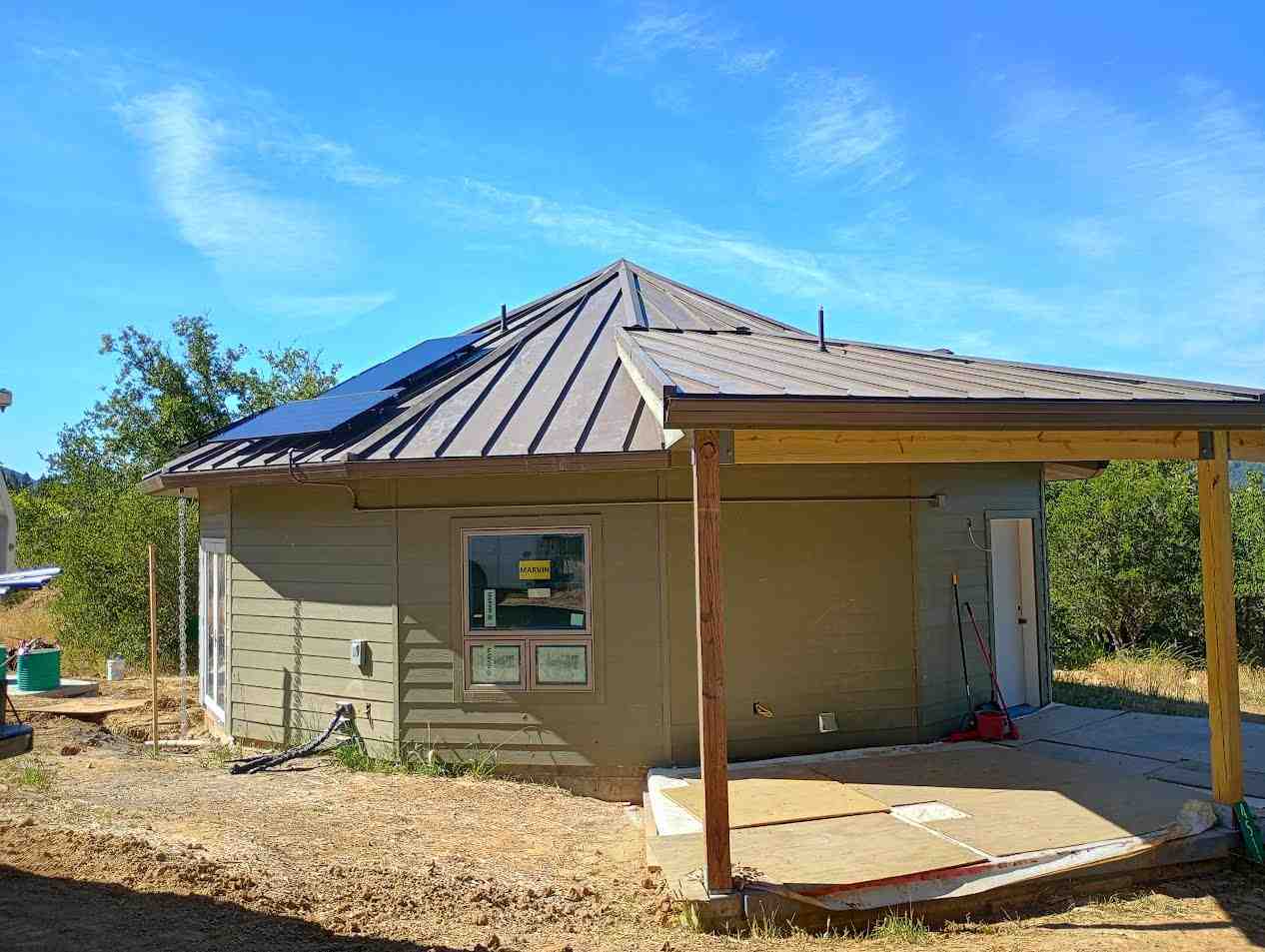
System maintenance won’t keep you up at night, but it does require some attention. Your solar panels might need a rinse with the garden hose a few times a year. Battery monitoring becomes part of your routine, like checking your car’s fuel gauge.
Inverters typically need replacement after 10-15 years, which is the biggest maintenance expense. But compared to constantly rising utility rates, it’s usually a bargain.
The biggest adjustment isn’t technical—it’s mental. Energy discipline becomes second nature after a few months. You’ll find yourself checking battery levels before running the dishwasher, or waiting for a sunny day to do multiple loads of laundry.
Weather dependency keeps you connected to nature’s rhythms. During our Northern California winter months, you’ll pay attention to weather forecasts in a whole new way. Extended cloudy periods mean either firing up a backup generator or being more selective about energy use.
Most of our clients love this awareness. They tell me it makes them feel more connected to their home and the environment around them.
Frequently Asked Questions about Off-Grid Solar Systems
I get these questions almost daily from homeowners considering the switch to off-grid living. Let me share the answers I’ve learned from three decades of installing these systems across Northern California.
Can you go off-grid with solar and battery?
Absolutely! I’ve helped hundreds of families make this transition successfully. The secret lies in a properly designed battery setup that matches your actual energy demand, not just your wishful thinking about power usage.
Here’s the reality check: most homes consume 20-30 kWh per day. To support this with solar power with battery storage to make electricity off grid, you’ll typically need a solar array between 8-12 kW and a battery bank storing 40-80 kWh.
The homeowners who succeed are usually the ones who’ve already made their homes energy-efficient. They’ve switched to LED lighting, upgraded to efficient appliances, and learned to be mindful about their power consumption. These folks often get by with smaller, more affordable systems.
I always tell my clients: going off-grid isn’t just about installing equipment. It’s about embracing a lifestyle where you’re aware of your energy use and work with nature’s rhythms rather than against them.
How many solar panels and batteries do I need to live off the grid?
This is where the rubber meets the road, and every home is different. In our Northern California climate, I typically install 25-40 solar panels (representing 8-15 kW of solar panel capacity) for complete energy independence.
The exact number depends on your roof space, shading, and how much electricity your family actually uses. A small, efficient home might need just 20 panels, while a larger family home with electric heating could require 50 or more.
For battery capacity, I recommend the 2-3 day rule. If your home uses 25 kWh daily, you’ll want 50-75 kWh of battery storage. With modern lithium batteries, that translates to about 3-6 battery units.
I’ve learned that it’s better to oversize slightly than to constantly worry about running out of power. The peace of mind is worth the extra investment, especially during those surprise cloudy weeks we sometimes get.
Could solar and batteries power your home when the electricity grid goes out?
Yes, but only if your system includes backup battery storage. This is a crucial distinction that many homeowners don’t understand initially.
Regular grid-tied solar systems without batteries actually shut down during power outages. It’s a safety feature that protects utility workers from unexpected electricity flowing back into the lines they’re trying to repair.
During a power outage, your off-grid system operates completely independently. Your solar panels keep generating electricity when the sun shines, your batteries provide power during the night, and you’ll barely notice the grid went down.
I remember one client who called me during a three-day outage a few years back. While his neighbors were dealing with spoiled food and no heat, his family was comfortable and fully powered. That’s the beauty of true energy independence.
The key is having enough battery storage to bridge those gaps between sunny days. With proper system design, you can maintain normal life even during extended outages that last a week or more.
Conclusion
The journey toward solar power with battery storage to make electricity off grid isn’t just about cutting ties with your utility company—it’s about taking control of your energy future. After three decades in this industry, I’ve watched countless families find the peace of mind that comes with true energy independence.
Yes, the upfront investment requires thoughtful planning. But when you consider decades of rising electricity rates, frequent outages, and the environmental impact of traditional power, off-grid solar becomes not just attractive, but essential for forward-thinking homeowners.
At Pure Power Solutions, we don’t believe in one-size-fits-all solutions. Every home is different, every family’s energy needs are unique, and every budget has its own considerations. That’s why our personalized approach starts with understanding your specific situation before we design a single component.
Over 30 years serving Healdsburg, Sonoma, Napa, Marin, Mendocino, and Lake County has taught us something important: Northern California’s diverse terrain and microclimates demand local expertise. We know which batteries perform best in coastal fog, how seasonal weather patterns affect your energy production, and which system configurations work reliably year after year.
Our environmental commitment goes beyond just selling solar panels. Every off-grid system we install represents another family choosing clean, renewable energy over fossil fuels. It’s another step toward the sustainable future our children deserve.
The off-grid dream isn’t just achievable—it’s happening right now in neighborhoods across Northern California. With quality components, expert design, and professional installation, solar power with battery storage to make electricity off grid transforms from wishful thinking into daily reality.
Ready to explore what off-grid living could mean for your family? Let’s start with an honest conversation about your energy goals, your property, and your budget. Contact Pure Power Solutions today for a personalized consultation that puts your needs first.
Your energy independence journey begins with a single phone call.


