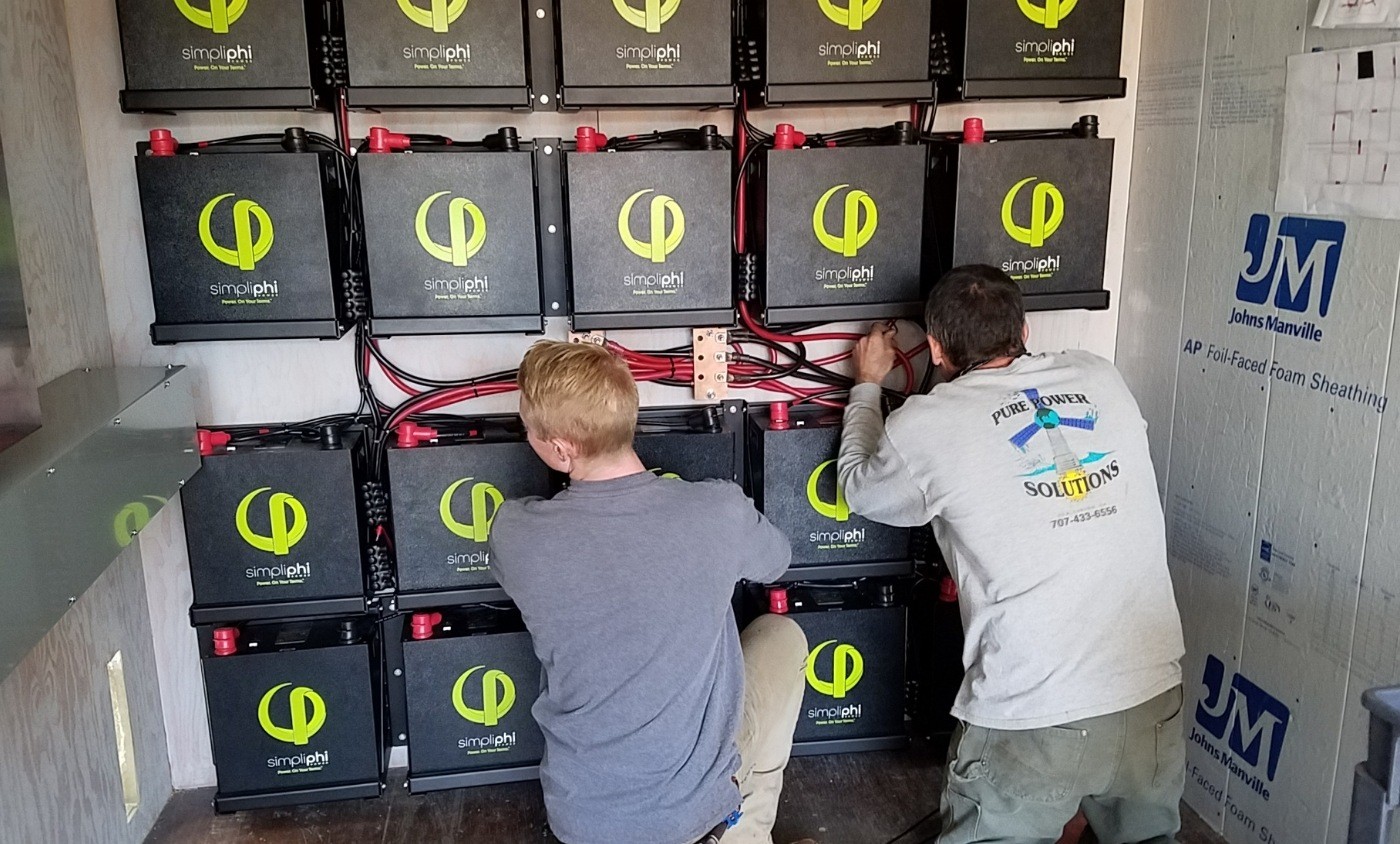

Why Off-Grid Solar Systems Are Changing Energy Independence
Off grid solar systems capture sunlight energy and store it in batteries to power homes and buildings independently from the utility grid. These complete energy solutions include solar panels, charge controllers, battery banks, and inverters that work together to provide reliable electricity 24/7.
Key components of off grid solar systems:
- Solar panels – Convert sunlight to DC electricity (typically 5kW to 21kW systems)
- Charge controller – Regulates battery charging (MPPT controllers are 30% more efficient)
- Battery bank – Stores energy for night and cloudy days (lithium lasts 6,000+ cycles)
- Inverter – Converts DC to AC power for appliances
- Backup generator – Provides power during extended cloudy periods
Off grid solar systems typically range from $25,000 to $67,000 depending on size and can pay for themselves in just a few years. They’re perfect for remote cabins, RVs, workshops, and homes beyond utility grid reach.
The main benefits include complete energy independence, protection from power outages, and significant long-term cost savings. However, they require higher upfront investment and regular maintenance compared to grid-tied systems.
I’m Rody Jonas, owner of Pure Power Solutions, and I’ve been designing and installing off grid solar systems across Northern California’s remote properties since 1993. My three decades of experience have shown me that proper system sizing and quality components are essential for reliable off-grid power that lasts for decades.
Understanding Off-Grid Solar: How It Works
Think of an off grid solar system as your personal power plant that works around the clock, even when the sun isn’t shining. During those precious sun hours (typically 4-5 hours of peak sunlight daily across most of the US), your photovoltaic panels quietly convert sunlight into electricity with impressive 19-20% efficiency using modern monocrystalline technology.
That electricity flows through a charge controller—and you definitely want an MPPT (Maximum Power Point Tracking) unit here. This smart device acts like a traffic cop, directing the right amount of power to your battery bank while preventing overcharging that can ruin expensive batteries.
Your battery bank stores all that solar power for when you need it most—during cloudy days, at night, or whenever the panels aren’t producing. When you flip a light switch, the stored DC power flows through an inverter that converts it to standard 120V/240V AC power that runs your household loads.
Most clients want to know about autonomy days—how long their system will run without sun. We typically design for at least one full day of battery power, plus a backup diesel or propane generator for stubborn multi-day cloudy periods. Safety is never negotiable, which is why every system includes multiple safety disconnects throughout.
Energy Flow & Key Physics
The magic starts when sunlight hits your panels. Photons knock electrons loose from silicon atoms, and the DC-to-AC conversion process begins. MPPT tracking continuously hunts for the sweet spot where your panels produce maximum power, boosting efficiency by up to 30% compared to older PWM controllers.
Understanding depth of discharge and state of charge is crucial for system longevity. Lead-acid batteries get cranky if you drain them below 50%, while lithium batteries happily discharge to 80-100% of capacity without complaint.
Off-Grid Solar Benefits & Challenges
The biggest reward of off grid solar systems is complete self-reliance. You’re essentially blackout-proof, insulated from utility rate hikes, and free from the grid’s increasing instability. The environmental impact is remarkable too—every kilowatt of solar energy prevents 300 pounds of CO2 emissions annually.
But let’s be honest about the challenges. The upfront cost is significantly higher than grid-tied systems because you need batteries, generators, and more robust components. There’s also a maintenance routine to consider—battery monitoring, panel cleaning, and generator servicing aren’t optional if you want reliable power.
Components and Design of Off Grid Solar Systems
Building a reliable off grid solar system is like assembling a well-orchestrated team—each component has a specific job, and they all need to work together seamlessly.
Your solar array serves as the powerhouse of the entire system. We typically recommend monocrystalline modules rated between 400-415 watts each, delivering impressive efficiency rates of 19-20%. A typical 6kW off-grid array uses about 16 panels and can produce around 20 kWh on a sunny day, which is enough to power most remote cabins comfortably.
The heart of your energy storage lies in your battery bank. Lithium iron phosphate (LiFePO4) batteries have become our go-to recommendation because they deliver over 6,000 charge cycles at 80% depth of discharge. Compare that to traditional lead-acid batteries that give you maybe 1,200 cycles, and you’ll see why the higher upfront cost of lithium makes financial sense. Plus, lithium batteries are maintenance-free.
MPPT charge controllers act like the traffic directors of your system, ensuring your batteries get charged efficiently without damage. These smart devices can boost your charging efficiency by up to 30% compared to older PWM controllers.
Your pure sine wave inverter transforms the stored DC power into clean AC electricity that your appliances love. We size these based on your peak demand—basically, the maximum wattage you might use when everything’s running at once.
| Battery Type | Cycle Life | Depth of Discharge | Maintenance | Warranty |
|---|---|---|---|---|
| Lithium (LiFePO4) | 6,000+ cycles | 80-100% | None | 10 years |
| Sealed Lead-Acid | 1,200 cycles | 50% | Minimal | 5 years |
| Flooded Lead-Acid | 1,500 cycles | 50% | Monthly | 5-7 years |
Off Grid Solar Systems vs Grid-Tied & Hybrid
Grid-tied systems connect directly to utility lines and use net metering to sell excess power back to the utility. They’re simpler and less expensive, but they shut down during power outages to protect utility workers.
Hybrid systems offer the best of both worlds by combining grid connection with battery backup. You stay connected to utility services while storing energy for outages or peak-rate periods.
Off grid solar systems operate completely independently, making them essential when utility connection isn’t available or practical. The magic of islanding—operating as your own private power company—means you’re immune to grid failures, rate increases, and utility shutoffs.
Common Applications for Off Grid Solar Systems
Remote cabins represent our bread and butter here in Northern California. Whether you’re tucked into Mendocino’s redwood forests or nestled in Sonoma’s wine country hills, off grid solar systems often provide the most practical power solution. These installations typically range from 5-12kW.
RV enthusiasts and boat owners love the freedom that portable off-grid systems provide. These compact setups (usually 400W-2kW) prioritize weight savings while keeping your fridge cold and devices charged.
Remote homes choosing off-grid living for environmental reasons often need larger systems in the 12-21kW range. These robust installations can handle full household loads including air conditioning and electric heating.
Sizing, Costs & Installation Roadmap
Getting your off grid solar system sized correctly is like tailoring a custom suit—it needs to fit your exact energy needs perfectly. We start every project by creating a detailed energy audit of your property, documenting every appliance from your coffee maker to your well pump.
This process reveals three critical numbers that determine your system design. Peak power demand tells us how large your inverter needs to be. Daily energy consumption drives your solar array size. A home using 20 kWh daily in an area with 4 peak sun hours needs a 5kW solar array (20 ÷ 4 = 5), plus about 20% extra for real-world inefficiencies.
Nightly energy usage determines your battery capacity. If you consume 8 kWh between sunset and sunrise, you’ll need 16kWh of lead-acid batteries (limited to 50% discharge) or 10kWh of lithium batteries (safe to 80% discharge).
Most residential off grid solar systems we install range from 5kW to 21kW, depending on whether you’re powering a weekend cabin or a full household. Current installed costs average $5-7 per watt, including all components and professional installation.
The federal tax credit reduces your investment by 30% for both solar panels and battery storage. Permitting off-grid systems is actually simpler than grid-tied installations since we don’t need utility approval. We handle all the paperwork and inspections, ensuring your system meets electrical codes and safety requirements.
More info about off-grid design
Battery Chemistry Deep Dive
Choosing the right battery chemistry for your off grid solar system is one of the most important decisions you’ll make.
Lithium iron phosphate batteries have revolutionized off-grid living. These remarkable devices deliver over 6,000 cycles at 80% depth of discharge, meaning they can last 15-20 years in typical residential applications. They operate flawlessly in temperatures from -4°F to 140°F and require absolutely no maintenance.
The math on lithium batteries is compelling once you look beyond the sticker price. A 10kWh lithium battery bank costing around $11,550 provides the same usable energy over its lifetime as multiple lead-acid replacements that would cost $14,400-20,000.
Sealed lead-acid batteries offer lower upfront costs but come with significant limitations. Their 50% depth of discharge restriction means you need twice the capacity to get the same usable energy as lithium.
Flooded lead-acid batteries provide the lowest initial investment but demand monthly attention. You’ll need to check electrolyte levels, clean terminals, and perform equalization charging.
Scientific research on best battery types
Step-By-Step Installation Checklist
Professional off grid solar system installation follows a proven process that ensures safety, performance, and code compliance.
The site survey phase sets the foundation for everything that follows. We evaluate your property’s solar resource potential, identify any shading issues, and assess structural requirements for panel mounting. The optimal panel orientation is true south (180° on a compass).
Panel installation begins with mounting systems engineered for local wind and snow loads. We offer both roof-mount and ground-mount options depending on your site conditions and preferences.
Electrical infrastructure installation requires careful attention to safety codes. We size all conductors properly and install the required safety disconnects at every major system component.
System commissioning involves programming all components to work together optimally. We configure charge controllers for your specific battery chemistry, set inverter parameters for your loads, and test automatic generator start systems.
We conclude every installation with comprehensive client training. You’ll understand how to read your monitoring system, recognize normal vs. abnormal operation, and perform basic maintenance tasks.
Maintenance, Efficiency & Backup Strategies
[IMAGE] battery-maintenance
Taking care of your off grid solar system is like tending a garden—a little regular attention keeps everything thriving for decades. Unlike grid-tied systems where the utility grid masks small problems, off-grid installations depend entirely on your proactive care.
Panel cleaning makes a bigger difference than most people realize. A thin layer of dust can reduce output by 5-10%, while bird droppings or pollen can cut production by 20% or more. A gentle rinse with your garden hose every few months keeps panels producing at peak efficiency.
Keep a voltage log to track your battery bank’s health over time. Modern monitoring systems make this easy—most send alerts directly to your smartphone when something needs attention.
Don’t neglect generator servicing—even if you rarely use it. Run yours monthly for 30 minutes under load, and change the oil annually regardless of hours.
Load shifting is one of the smartest strategies for maximizing your solar investment. Run your dishwasher, washing machine, and other heavy appliances during peak sun hours instead of evenings.
LED retrofits can dramatically reduce your energy consumption—often by 75-85% compared to old incandescent bulbs. Smart appliance timers automate load management for you.
[INFOGRAPHIC] generator-vs-battery-backup
Best Practices to Maximize Output
Getting the most from your off grid solar system comes down to optimizing three key factors: positioning, timing, and equipment choices.
Proper tilt angles can boost your annual energy production by 10-15% compared to flat mounting. Here in Northern California, we typically install panels at 30-40 degree tilts depending on your specific location and energy needs.
Avoiding shading becomes absolutely critical with off-grid systems where every kilowatt-hour matters. Even partial shade on just one panel can reduce your entire string’s output dramatically.
Staggering loads prevents overwhelming your system during peak usage periods. Instead of running your microwave, coffee maker, and toaster simultaneously in the morning, spread these loads across 15-20 minutes.
Investing in high-efficiency appliances designed for off-grid use pays dividends every single day. Energy Star refrigerators and inverter-driven appliances consume 30-50% less power than standard models.
More info about lithium batteries
Backup Options & Autonomy Planning
Planning for multi-day cloud cover separates successful off-grid installations from frustrating ones. While single cloudy days rarely impact well-designed systems, Northern California’s winter storms can bring 3-5 consecutive days of minimal solar production.
Gas generators provide the most reliable backup power, automatically starting when battery levels drop below your preset threshold. Propane generators offer advantages in colder climates where gasoline can cause starting problems.
Automatic transfer switches handle the complex task of safely switching between power sources without dangerous backfeeding. Planning for redundancy in critical components prevents single points of failure.
We typically design systems with 3-5 days of autonomy for extended weather events. This requires oversizing your battery bank beyond daily consumption needs, but the peace of mind during winter storms makes it worthwhile.
Frequently Asked Questions About Off-Grid Solar
How do I calculate my energy needs?
Getting your energy calculations right is absolutely critical for off grid solar systems that actually work when you need them.
Start by walking through your home with a notepad and write down every single electrical device you plan to use. Check the wattage label on each appliance—it’s usually on a sticker somewhere on the back or bottom.
Multiply each appliance’s wattage by how many hours you actually use it daily. That 200W refrigerator might seem small, but if it cycles on for 8 hours daily, that’s 1.6 kWh right there (200W × 8 hours ÷ 1000 = 1.6 kWh). Do this for everything and add up your total daily consumption.
Always size your system for your worst-case scenario—typically those dark winter months when solar production is low but heating demands are high.
Your load worksheet needs to capture lighting throughout the house, kitchen appliances like refrigerators and microwaves, electronics including TVs and internet equipment, water systems like well pumps, and any workshop tools or HVAC equipment you can’t live without.
What maintenance is required each year?
The beauty of modern off grid solar systems is that they don’t need much babying, but the maintenance you do needs to happen regularly.
Battery care depends entirely on what type you chose. If you went with lithium batteries, you’re golden—just give them a visual once-over and clean any corrosion off the terminals. Sealed lead-acid batteries need voltage testing and terminal cleaning annually. Flooded lead-acid batteries require checking electrolyte levels monthly.
Your solar panels are pretty low-maintenance heroes. Give them a good wash in spring to remove winter grime, pollen, and bird droppings that can seriously hurt performance. Check that all the mounting hardware is tight and look for any wire damage.
Generator maintenance follows the manufacturer’s schedule religiously. Change the oil every 100-200 hours of runtime, replace air filters based on how dusty your location gets, and run load bank tests annually.
Don’t forget about system updates—inverters and charge controllers get firmware updates just like your phone. Review your monitoring data annually to spot trends that might indicate problems developing.
How long do system components last?
Quality components in off grid solar systems are built to last decades with proper care.
Solar panels are the marathon runners of your system. They come with 25-year warranties guaranteeing at least 80% output after 25 years, but quality panels keep producing power for 30-40 years.
Battery lifespan is where chemistry matters most. Lithium iron phosphate batteries last 15-20 years with over 6,000 charge cycles. Sealed lead-acid batteries give you 5-7 years and about 1,200 cycles. Flooded lead-acid can stretch to 7-10 years if you maintain them properly.
Inverters work the hardest in off-grid systems because they’re constantly switching between charging batteries and powering your loads. Expect 10-15 years from a quality inverter.
Charge controllers are the steady workhorses that often outlast everything else. Quality MPPT units provide 15-20 years of reliable service.
Your racking system should last as long as your panels if it’s properly engineered for your local wind and snow loads.
Generators are different beasts entirely. With regular maintenance, they can provide 20+ years of backup service. Plan on an engine rebuild every 10-15 years.
Conclusion
After three decades of designing and installing off grid solar systems across Northern California’s rugged landscapes, I can tell you that we’re living in the golden age of energy independence. The technology that once required constant tinkering now hums along quietly in the background, giving you the freedom to focus on what matters most.
Whether you’re dreaming of a weekend cabin tucked away in Mendocino’s towering redwoods, planning a sustainable homestead in Sonoma’s rolling hills, or simply want to break free from rising utility costs, off grid solar systems offer something truly valuable: complete control over your energy future.
The change I’ve witnessed in this industry is remarkable. Those early lead-acid battery banks that needed weekly attention have given way to lithium systems that can run for years without a second thought. Solar panels that once struggled to power a few lights now generate enough electricity to run entire households.
Every system we design tells a unique story. The artist’s studio in Lake County that needed just enough power for pottery wheels. The multi-generational family compound in Napa that required enough capacity to keep three households comfortable. Each project taught us something new about matching technology to human needs.
What hasn’t changed is our commitment to getting it right the first time. Off grid solar systems aren’t something you want to experiment with—they need to work reliably from day one. That’s why we spend so much time upfront understanding your energy patterns, your site conditions, and your long-term goals.
The environmental impact of going off-grid extends far beyond your own carbon footprint. When you choose renewable energy independence, you’re voting for a cleaner future with your wallet. You’re showing neighbors and friends that energy freedom is possible.
The upfront investment requires careful consideration. But when you factor in decades of eliminated utility bills, protection from rate increases, and the priceless peace of mind during power outages, the economics make compelling sense. Many of our clients tell us their system paid for itself faster than expected.
The future belongs to distributed, clean energy—and off grid solar systems put you ahead of the curve. While others worry about blackouts and rising electricity costs, you’ll have the quiet confidence that comes from controlling your own power supply.
Ready to start your journey toward energy independence? Every successful off-grid installation begins with understanding your unique situation. Let’s sit down together and explore how solar can transform your relationship with energy.