

The True Cost of Going Solar in California: 2025 Overview
Residential solar panels cost California homeowners an average of $4.32 per watt in 2025 for Tier 1 quality systems, with typical 7.2 kW systems costing around $31,104 before incentives or $21,773 after the 30% federal tax credit. Here’s what you need to know:
- Average cost per watt: $3.41 to $5.23 in Northern California for Tier 1 quality systems
- Typical system size: 7.2 kW (approximately 18 panels)
- Before incentives: $21,600 for 5 kW to $43,200 for 10 kW
- After federal tax credit: $15,120 for 5 kW to $30,240 for 10 kW
- Payback period: 6-9 years (faster with battery storage)
- 25-year savings: $30,000+ for average California home
California’s electricity rates (averaging $0.45/kWh) are among the highest in the nation, making solar an increasingly attractive investment despite recent changes to net metering policies. With system costs having dropped 34% over the past five years and federal incentives still at their peak, many homeowners find that going solar makes financial sense even with the upfront investment.
I’m Rody Jonas, owner of Pure Power Solutions, and since founding our company in 1993, I’ve helped thousands of homeowners across Northern California steer the complexities of residential solar panels cost California considerations, from equipment selection to maximizing local incentives.
Residential Solar Panels Cost California: 2025 Snapshot
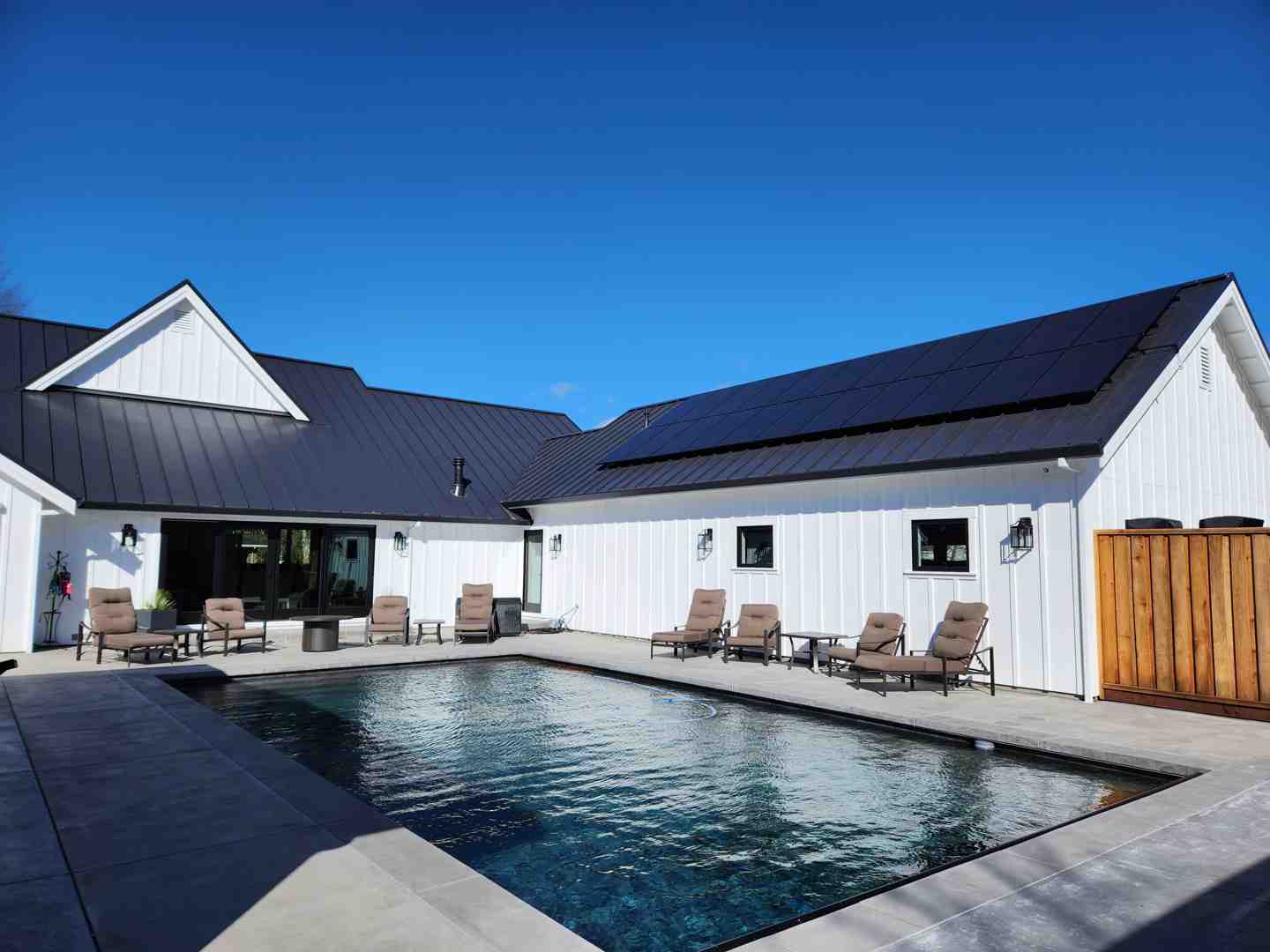
Here’s what you can expect to pay for different system sizes in 2025:
| System Size | # of Panels (400W) | Annual kWh Production | Cost Before Incentives | Cost After 30% Federal Tax Credit |
|---|---|---|---|---|
| 5 kW | 12-13 | \~7,500 kWh | $21,600 | $15,120 |
| 7 kW | 16-18 | \~10,500 kWh | $30,240 | $21,168 |
| 8 kW | 18-20 | \~12,000 kWh | $34,560 | $24,192 |
| 10 kW | 24 | \~15,000 kWh | $43,200 | $30,240 |
Cost by System Size (5 kW, 7 kW, 8 kW, 10 kW)
The size of your solar system will be the biggest factor in determining your investment. Think of it like buying a car – are you looking for a compact or an SUV?
If you have a smaller home or you’re particularly energy-efficient with monthly electricity bills around $100-125, a 5 kW system might be perfect for you. These typically run about $21,600 before incentives, dropping to a more manageable $15,120 after the federal tax credit kicks in.
Most of our California neighbors end up with systems around 7.2 kW – that’s about 18 panels covering your roof. This mid-sized system works beautifully for average homes with monthly electric bills between $150-200. You’re looking at approximately $31,104 before incentives, or $21,773 after the federal tax credit.
Got a larger home? Electric vehicles? Pool pumps running all summer? You might need to step up to an 8 kW system ($34,560 before incentives, $24,192 after) or even a 10 kW powerhouse ($43,200 before incentives, $30,240 after).
These are averages, and your specific residential solar panels cost California quote may vary based on several factors we’ll explore next. Your roof’s orientation, equipment choices, and local installation costs all play important roles in determining your final price tag.
Key Factors Driving Solar Costs in California
When homeowners ask me about residential solar panels cost California, I always explain that understanding what drives those costs helps make smarter decisions that could save thousands. After three decades of installing solar systems across Northern California, I’ve seen how these factors shape your investment:
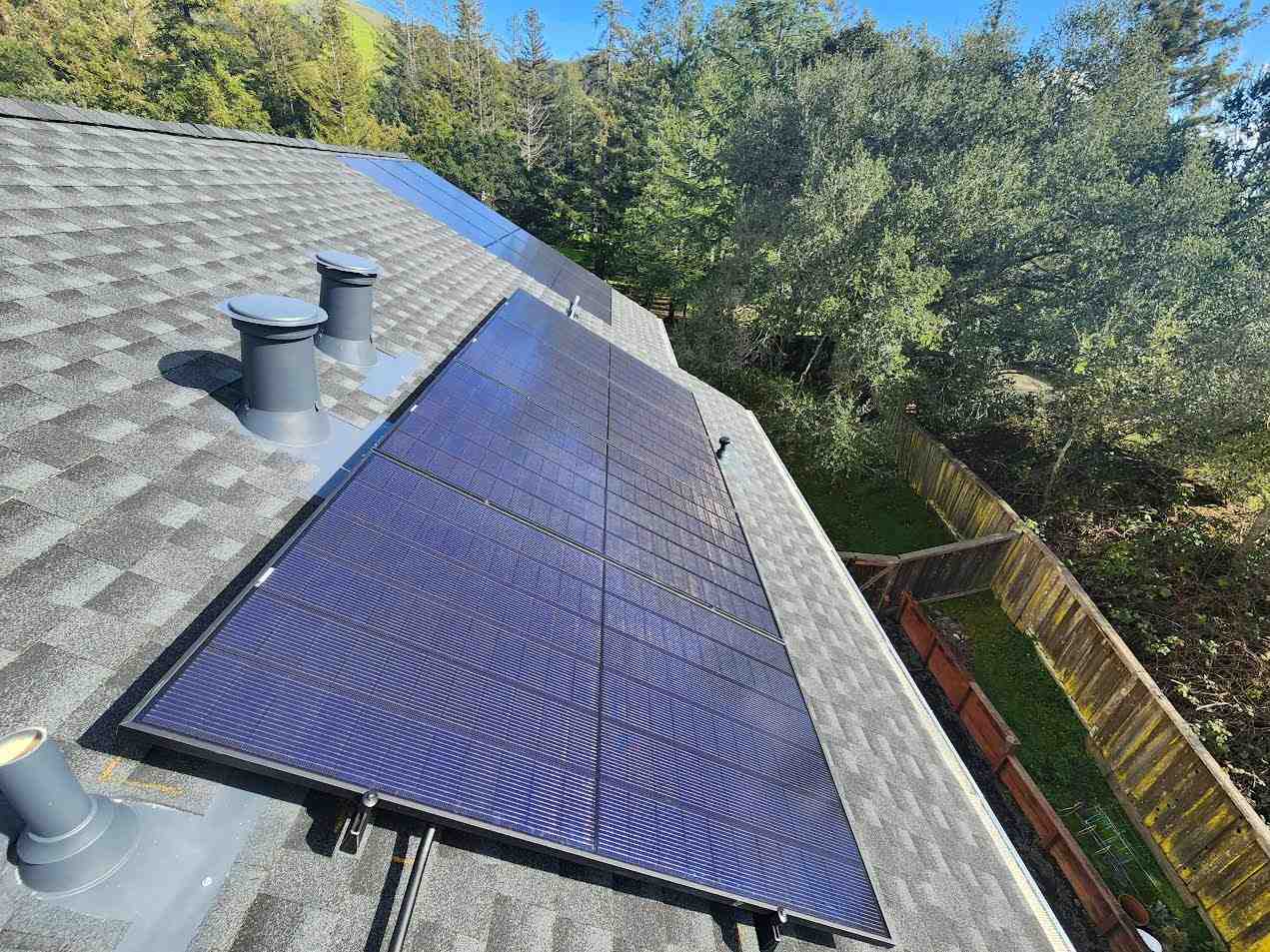
1. System Size and Energy Needs
Your actual electricity usage is the starting point for any good solar design. At Pure Power Solutions, we carefully analyze your past 12 months of bills to recommend the right-sized system. I’ve seen too many homeowners waste money on oversized systems or feel disappointed with undersized ones that don’t deliver expected savings. A properly sized system matches your specific needs—nothing more, nothing less.
2. Roof Characteristics
Your roof tells us a lot about how your system will perform and what it might cost to install. South-facing roof sections have traditionally been solar gold in California, capturing the most sunlight throughout the day. But with today’s time-of-use billing structures, west-facing roofs have become increasingly valuable since they generate electricity during expensive evening rate periods.
Roof complexity matters too. Multiple angles, dormers, vents, or skylights mean more labor hours for installation. And if your roof is nearing the end of its useful life, replacing it before solar installation (adding $5,000-$15,000) actually makes financial sense rather than paying to remove and reinstall panels a few years later.
3. Equipment Choices and Residential Solar Panels Cost California
The equipment you select significantly impacts both upfront costs and long-term performance:
Solar Panels: Economy panels ($0.70-$0.90/watt) offer basic performance with 15-17% efficiency, while premium panels ($1.10-$1.50/watt) deliver 20-22% efficiency. That efficiency difference means you might need fewer premium panels for the same output, which can partially offset the higher cost—especially valuable if you have limited roof space.
Inverters: Your options range from basic string inverters ($0.20-$0.30/watt) to microinverters ($0.40-$0.60/watt). While string inverters cost less initially, microinverters typically offer better shade tolerance, panel-level monitoring, and longer warranties. For many Sonoma and Napa homeowners dealing with partial shade from trees or neighboring structures, the performance advantage of microinverters or power optimizers ($0.30-$0.40/watt) justifies the added cost.
Mounting Hardware: The racking that secures your panels to the roof varies from standard systems ($0.10-$0.15/watt) to specialized solutions for metal, tile, or complex roofs ($0.15-$0.30/watt).
After thousands of installations, we’ve found most Northern California homeowners get the best long-term value from mid-tier or premium equipment. With electricity rates averaging $0.31/kWh in California, investing in quality components that maximize production and longevity simply makes financial sense.
4. Labor and Permitting Costs
Labor typically represents 15-25% of your total system cost. Here in California, installation rates vary significantly by region—Bay Area installations generally command higher rates than more rural counties. Our experienced team works efficiently while maintaining quality, which helps control these costs.
Don’t forget about permitting and interconnection fees, which add $500-$1,000 to most installations. These cover building and electrical permits, utility interconnection applications, and the required inspections. Having a local installer who understands your specific jurisdiction’s requirements can prevent costly delays and revisions.
5. NEM 3.0 and Battery Considerations
California’s shift to Net Billing Tariff (NEM 3.0) in April 2023 changed the solar landscape dramatically. Under this policy, excess solar energy exported to the grid is credited at roughly 75% less than before—a significant reduction that affects system economics.
This policy change has made battery storage more valuable than ever. Rather than exporting excess electricity for minimal credit, storing that power for evening use makes financial sense. While batteries add to your upfront investment, they provide greater energy independence and often improve overall system economics under the new rules.
As a Northern California installer who’s weathered every policy change since 1993, I can tell you that understanding these factors is crucial to making the right investment for your home and energy needs.
Incentives, Rebates & Financing Options in 2025
The good news is that substantial incentives are available to reduce your residential solar panels cost California. Here’s what you can access in 2025:

Federal Solar Investment Tax Credit (ITC)
The federal government continues to offer a generous 30% tax credit on your entire solar installation, covering both equipment and labor costs. This substantial credit remains at the full 30% through 2032 before stepping down to 26% in 2033 and 22% in 2034.
What does this mean for your wallet? For a typical 7.2 kW system costing $31,104, you’d receive a tax credit of $9,331, bringing your net cost down to $21,773. That’s a significant chunk of change staying in your pocket!
Remember though, this is a tax credit, not an instant rebate. You’ll need sufficient tax liability to claim the full amount, though unused credits can be carried forward to future tax years. The good news is the credit applies to both your primary home and vacation properties.
For more details, check out our guides on How the Federal Solar Tax Credit Works and Solar Tax Credit 2023.
California-Specific Incentives
While California no longer offers a statewide solar rebate program, several valuable incentives remain that can dramatically reduce your residential solar panels cost California:
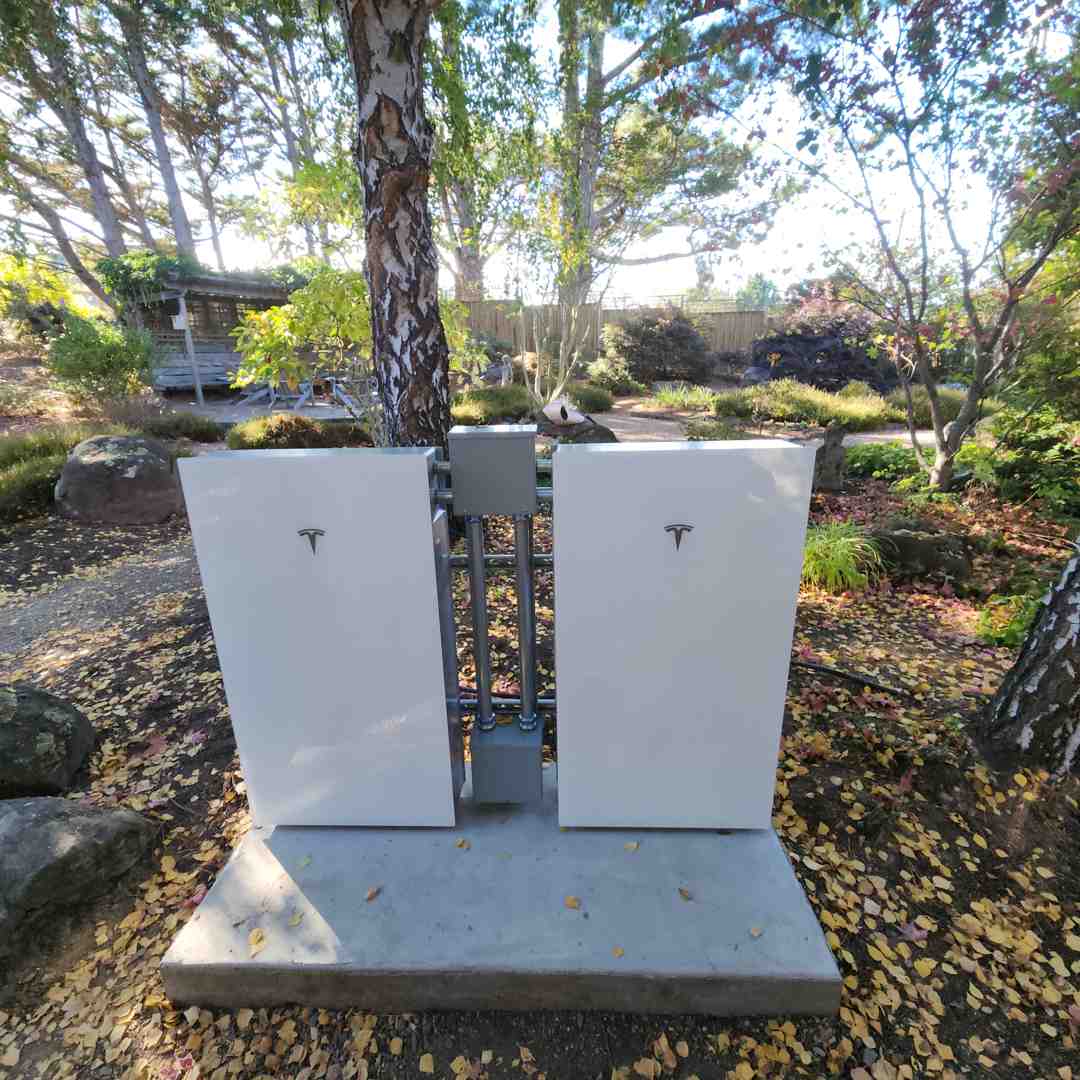
The Self-Generation Incentive Program (SGIP) provides approximately $150 per kilowatt-hour for battery storage systems. For a typical 13.5 kWh battery like the Tesla Powerwall, this translates to around $2,025 in savings. Not too shabby!
If you’re in a disadvantaged community, the DAC-SASH program offers up to $3 per watt for qualifying low-income homeowners. For many families, this can cover most of the system cost, making solar accessible to those who might otherwise be priced out.
One of my favorite California incentives is the Property Tax Exclusion. Your solar system adds value to your home, but unlike other home improvements, it won’t increase your property taxes. It’s like getting a home upgrade without the tax penalty!
Many of our Sonoma, Napa, and Marin County customers also benefit from local utility rebates through programs like Sonoma Clean Power or MCE Clean Energy, adding even more savings to the mix.
Stacking Programs to Cut Residential Solar Panels Cost California
The real magic happens when you combine these incentives. By stacking the federal tax credit with SGIP rebates for battery storage and local utility incentives, many of our customers reduce their effective costs by 40-50%.
For example, a family in Sonoma County installing a 7.2 kW system with battery storage might apply the 30% federal tax credit, receive an SGIP rebate for their battery, and qualify for additional local incentives—all while knowing their property taxes won’t increase. The combined effect can transform the economics of your solar investment.
Financing Options in 2025
Not everyone has $20,000-$45,000 sitting in their bank account, and that’s perfectly okay. Several financing options make solar accessible without requiring a large upfront payment:
Solar Loans have become increasingly competitive, with rates around 5-8% and terms of 10-25 years. Many of our customers choose these specialized loans because they require no money down and often result in monthly payments lower than their previous electric bills. This creates immediate positive cash flow—you’re saving money from month one! Redwood Credit Union has one of the better programs with good terms and an efficient process.
Home Equity Loans and HELOCs typically offer the lowest interest rates (3-5%) and come with the added benefit of tax-deductible interest. If you’ve built up equity in your home, this can be an excellent option.
PACE Financing allows you to finance solar through your property taxes. While convenient, the rates may be higher than other options, so we help our customers evaluate if this makes sense for their situation.
Leases & Power Purchase Agreements (PPAs) require zero down payment but generally offer less long-term savings. In most cases, we recommend ownership over leasing when possible, as it provides better financial returns over the system’s lifetime. There can also be significant complications when and if you sell your home before the PPA or Lease terminates.
At Pure Power Solutions, we’ve spent 30 years helping homeowners across Northern California steer these options to find the perfect fit for their financial situation. We don’t just install solar—we help you make it financially sensible for your unique circumstances.
Savings, Payback & Battery Economics
Understanding your return on investment is crucial when evaluating residential solar panels cost California. Let’s break down what you can expect:
Payback Period
If you’re like most homeowners I talk with, you want to know: “When will this system pay for itself?” Good news—the average payback period for solar panels in California is just 6-9 years, much faster than the national average of 11 years.
This speedy return isn’t magic—it’s simple economics. With California’s sky-high electricity rates (averaging $0.31/kWh) and our abundant sunshine, your system starts saving serious money from day one. Since most quality panels are warranted for 25+ years, you’ll enjoy 15-20 years of essentially free electricity after recouping your initial investment.
Long-Term Savings
Over a 25-year period (the standard warranty for most solar panels), the typical California homeowner saves between $30,000 and $65,000 on electricity costs. And that’s being conservative—these calculations usually assume today’s electricity rates, but California’s utility prices have historically increased by 3-5% annually. Your actual lifetime savings could be substantially higher.
As one Sonoma County customer recently told me, “It’s like locking in your electricity rate for the next two decades while your neighbors keep paying more every year.”
Battery Economics Under NEM 3.0
The solar landscape in California changed dramatically when NEM 3.0 (Net Billing Tariff) took effect in April 2023. This policy shift has completely transformed the value proposition for battery storage. Here’s what changed:
When you generate excess solar power now, the utility only credits you about 25% of the retail rate—a significant drop from the previous one-to-one credit. Time-of-use rate differentials have widened, and solar customers now face a new fixed charge of up to $24.15 monthly.
The surprising result? Adding battery storage now makes better financial sense for most California solar installations. Let me explain why:
A typical home battery system costs around $15,600 before incentives, but drops to approximately $8,900 after applying the federal tax credit and SGIP rebate. That’s still a significant investment, but the economics have shifted dramatically.
With a battery, you can store your excess daytime solar production instead of exporting it at those low credit rates. You’ll avoid the highest time-of-use rates during peak evening hours (4-9 PM) when electricity might cost twice as much. Plus, you gain invaluable backup power during California’s increasingly common grid outages.
Perhaps most surprisingly, the payback period for a solar + battery system (about 8 years) is now often shorter than solar-only systems (9+ years) under NEM 3.0. This counterintuitive math works because batteries help you avoid exporting power at those unfavorable rates.
For our customers in Sonoma, Napa, and surrounding areas who’ve lived through Public Safety Power Shutoffs (PSPS) events, the added resilience value of batteries is priceless. As the Solar Energy Industries Association data on CA solar adoption confirms, more Californians are pairing storage with solar than ever before.
“After three PSPS outages in one year, the battery wasn’t just about savings anymore,” one Napa Valley client told me. “When everyone else on the street was dark for two days, our essential circuits kept running. You can’t put a price tag on that peace of mind.”
How to Choose an Installer & Avoid Costly Mistakes
Selecting the right installer is perhaps the most important decision you’ll make in your solar journey. The quality of installation directly impacts system performance, longevity, and safety—and ultimately, your return on investment.
When we meet with homeowners considering solar in Sonoma, Napa and surrounding counties, they often tell us stories about quotes that seemed too good to be true—and usually, they were. The residential solar panels cost California homeowners pay should reflect quality workmanship and materials that will perform for decades, not just the cheapest possible installation.
What to Look For in a Solar Installer
Experience matters tremendously in solar. Look for companies with at least 5-10 years in the business. At Pure Power Solutions, our three decades in the industry means we’ve encountered and solved virtually every installation challenge imaginable—from complex roof structures to tricky electrical panel upgrades.
Proper licensing is non-negotiable. Your installer must have a C-46 Solar Contractor license in California. This specialized license demonstrates expertise specifically in solar installations, not just general contracting work. Having a C-10 Electrical Contractor license is also important, especially with panel upgrades and installation of battery systems.
The equipment your installer recommends speaks volumes about their integrity. Reputable installers offer tier-one equipment with solid warranties, not unknown brands that might save money upfront but cost you dearly in reliability and performance.
Comprehensive warranties provide peace of mind for your investment. You should expect nothing less than a 25-year panel performance warranty, 10-25 year panel product warranty, 10-25 year inverter warranty, and at least a 10-year workmanship warranty covering the actual installation.
Local knowledge can make or break your solar experience. Installers familiar with local building codes, utility requirements, and incentive programs can steer permitting more efficiently and help you maximize available incentives. Our deep roots in Northern California give us unparalleled understanding of local regulations and utility policies.
Steps to Get Accurate Residential Solar Panels Cost California Quotes
Getting accurate, comparable quotes requires some homework on your part. Start by gathering 12 months of electricity bills—this data helps installers properly size your system based on your actual usage patterns, not just a rough estimate.
Request at least three quotes from different installers. When comparing them, focus on the cost per watt, quality of equipment specified, and depth of experience in the installation team rather than the total price, as these metrics normalize for system size differences and allow for direct comparison. Low price quotes often mean lower quality parts or less experienced installers.
Ask for detailed line-item breakdowns showing equipment costs, labor, permitting fees, and other expenses. Vague quotes that only show a total price often hide corners being cut or inflated profit margins.
A production guarantee is worth its weight in gold. Some installers (including us) offer guarantees that your system will produce a minimum amount of electricity annually. This demonstrates confidence in their design and installation quality.
Don’t skip checking references, particularly from customers with similar installations completed 3-5 years ago. This gives you insight into both the installation experience and how the company handles any issues that arise after installation.
Certification matters. Look for companies with NABCEP (North American Board of Certified Energy Practitioners) certified professionals on staff. This industry-standard certification demonstrates a commitment to ongoing education and professional excellence.
Common Costly Mistakes to Avoid
The most expensive solar system is often the cheapest one. Choosing based on price alone frequently results in poor installation quality, inferior equipment, or working with a company that disappears when warranty issues arise. I’ve seen too many homeowners have to completely reinstall systems that were poorly designed or installed by the lowest bidder.
Improper system sizing is a costly error in either direction. An undersized system won’t deliver the savings you expect, while an oversized system wastes money under NEM 3.0 since excess production is credited at such low rates.
Your roof’s condition should never be an afterthought. Installing solar on an aging roof means you’ll likely need to remove and reinstall the entire system when you replace the roof—an expensive proposition that can easily add thousands to your total cost. If your roof has less than 10 years of life left, consider replacing it before installing solar.
Incentive deadlines matter tremendously. Some incentives have limited funding or expiration dates, and missing these windows can cost you thousands. Working with an experienced installer ensures you maximize available incentives before they disappear.
Future-proofing your system pays dividends. Consider your future energy needs—like electric vehicles, home additions, or new appliances—when sizing your system. A thoughtful design can accommodate growth without requiring costly system expansions later.
At Pure Power Solutions, we take a consultative approach, designing systems that balance upfront residential solar panels cost California considerations with long-term performance and adaptability. We’re not just installing technology; we’re building relationships with our clients that last as long as their solar systems do.
For more information about our approach to residential installations, visit our Residential Solar Installers page.
Frequently Asked Questions about Solar Costs in California
What does a solar battery add to system price?
Adding a battery to your solar setup is a bit like adding a savings account for your electricity – it costs more upfront but can pay dividends later. Most residential battery systems in California range from $12,500 to $18,000 before incentives kick in.
After applying the 30% federal tax credit and California’s SGIP rebate (which offers about $150 per kilowatt-hour of capacity), most homeowners end up paying between $6,000 and $10,000 net for their battery systems.
Popular options we install for our Sonoma and Napa County customers include the Tesla Powerwall (around $15,600 before incentives), the FranklinWH Home Power system (approximately $17,600 before incentives), and Enphase IQ Batteries (ranging from $14,000 to $18,000 before incentives).
While batteries do increase your initial investment, they’ve become financially savvy additions under California’s NEM 3.0 policy. By storing your excess daytime solar energy instead of exporting it to the grid at reduced rates, batteries help maximize the value of every kilowatt-hour your panels produce.
Can I install solar now and add a battery later?
Yes, you absolutely can add a battery to your existing solar system later – I’ve helped many Northern California homeowners do exactly this. However, it’s generally more cost-effective to install everything together from the start.
When you install solar and battery storage simultaneously, you benefit from a single installation process, one permitting journey, potentially lower labor costs, and an integrated system design. Plus, all components qualify for the federal tax credit together, and you’ll immediately optimize your system for California’s NEM 3.0 structure.
If you’re considering a phased approach, we recommend making your initial solar installation “battery-ready.” This means including compatible inverter technology and leaving appropriate space for future battery equipment. Just be aware that retrofitting may require additional electrical work down the road.
At Pure Power Solutions, we often design systems that accommodate future batteries even if our customers aren’t quite ready for that investment yet. Having installed systems across Sonoma, Napa, and surrounding counties for 30 years, we understand both the technical requirements and the local permitting nuances for these upgrades.
How does NEM 3.0 change my long-term savings?
California’s shift from net metering to net billing (NEM 3.0) in April 2023 has significantly reshaped the solar landscape – think of it as changing the rules of the game halfway through.
Under NEM 3.0, the compensation for excess energy exported to the grid dropped by roughly 75%. Plus, solar customers now face fixed charges up to $24.15 monthly. The policy emphasizes self-consumption rather than grid export, which changes the economics considerably.
These changes have stretched payback periods for solar-only systems from the previous 5-7 years to 9+ years now. Interestingly, adding battery storage actually improves the economics by enabling you to use more of your own solar production rather than exporting it at unfavorable rates.
System sizing has become more critical than ever – an oversized system will export more energy at those reduced rates. We’ve also found that west-facing panels may now be more valuable than traditional south-facing arrays under time-of-use rate structures, as they produce more during high-value evening hours.
To maximize your savings under NEM 3.0, we recommend right-sizing your system to minimize excess production, adding battery storage to shift solar production to evening hours, aligning major electricity usage with solar production when possible, and considering smart home technology to automate your energy usage.
Despite these policy changes, residential solar panels cost California homeowners far less over time than continuing to pay ever-increasing utility bills. The investment still makes financial sense for most California homeowners – it just requires more strategic planning.
Is it worth going solar in California in 2025?
Absolutely, unequivocally yes. Despite policy changes, California remains one of the best places in America for solar investment.
Why? First, our electricity rates average around $0.31/kWh – among the highest in the nation – and they continue to rise each year. Second, our abundant sunshine (especially in Sonoma, Napa, and surrounding areas) means your system will produce more energy than in most other states. Third, strong incentives remain available, including the 30% federal tax credit, SGIP rebates for batteries, and property tax exclusions.
Finally, there’s the increasing concern about grid reliability. As longtime residents know all too well, Public Safety Power Shutoffs have become a regular part of life in Northern California. Solar with battery backup provides peace of mind that simply can’t be measured in dollars and cents.
For most homeowners we work with, a properly designed solar system pays for itself in 6-9 years while providing 25+ years of clean energy production. When you consider that the average California homeowner will pay their utility over $60,000 in the next 25 years (assuming just a 3% annual rate increase), the residential solar panels cost California residents pay upfront becomes a remarkably good investment.
Conclusion
The residential solar panels cost California homeowners face in 2025 is certainly substantial—typically between $15,000 and $30,000 after incentives for the average home. But here’s the thing about solar: it’s not just an expense, it’s an investment that keeps paying you back year after year.
Think about it. While your neighbors’ electricity bills continue climbing (and we all know how relentless those California rate hikes can be), your solar system steadily generates clean, free electricity. Over its 25+ year lifespan, most systems will deliver $30,000 to $65,000 in utility bill savings—far exceeding your initial investment.
And timing matters. With the federal tax credit still in place at 30% and California’s electricity rates continuing their upward march, the financial math for solar has rarely been more favorable, even with the changes to net metering under NEM 3.0.
But the benefits go beyond just dollars and cents. There’s something profoundly satisfying about producing your own power, especially during those increasingly common public safety power shutoffs that affect so many of us in Northern California. Add a battery system, and you’ve got peace of mind that simply can’t be measured on a spreadsheet.
At Pure Power Solutions, we’ve spent the last three decades helping homeowners across Sonoma, Napa, Marin, Mendocino, and Lake County steer their clean energy journey. We don’t believe in one-size-fits-all solutions—your home, your energy needs, and your financial situation are unique, and your solar system should reflect that.
Our approach has always been consultative rather than transactional. We take the time to understand your goals, analyze your energy usage patterns, and design a system that balances upfront costs with long-term performance. Whether you’re looking to maximize financial returns, increase your energy resilience, or reduce your environmental footprint, we’ll help you get there.
Ready to see what solar could look like for your home? We’d love to show you. Our team will provide a clear, no-pressure assessment of your property’s solar potential, complete with projected costs, savings, and payback periods specific to your situation.
Take the first step toward energy independence today by requesting your Complimentary Solar Quote. Your future self (and your wallet) will thank you.


