

The Power to Go Anywhere: Battery Powered Outlets Explained
A battery powered outlet is a portable power device that provides AC electricity without needing to plug into a wall socket. These versatile units let you power electronics when camping, during power outages, or anywhere traditional outlets aren’t available.
What is a battery powered outlet?
- A portable device containing rechargeable batteries and an inverter
- Provides standard AC power (110V) from stored DC battery power
- Ranges from pocket-sized power banks (88Wh) to large power stations (2000+Wh)
- Can power devices like laptops, CPAP machines, lights, and small appliances
- Typically includes USB ports and DC outputs alongside AC outlets
The technology behind these portable power solutions has advanced dramatically in recent years. Modern lithium-ion batteries have made these units lighter and more efficient, while pure sine wave inverters ensure clean power safe for sensitive electronics. Whether you’re seeking emergency backup power or eco-friendly alternatives to gas generators, battery powered outlets offer silent, emission-free electricity when and where you need it.
What Is a Battery Powered Outlet?
Ever wondered how campers power their laptops in the middle of nowhere? The answer is a battery powered outlet – your portable slice of home comfort that brings wall-outlet convenience anywhere you roam.
A battery powered outlet is essentially a portable energy hub that packs rechargeable batteries, smart power management systems, and an inverter into one handy device. It captures and stores electricity in lithium-ion cells, then transforms that DC (direct current) power into the AC (alternating current) electricity your household devices crave.
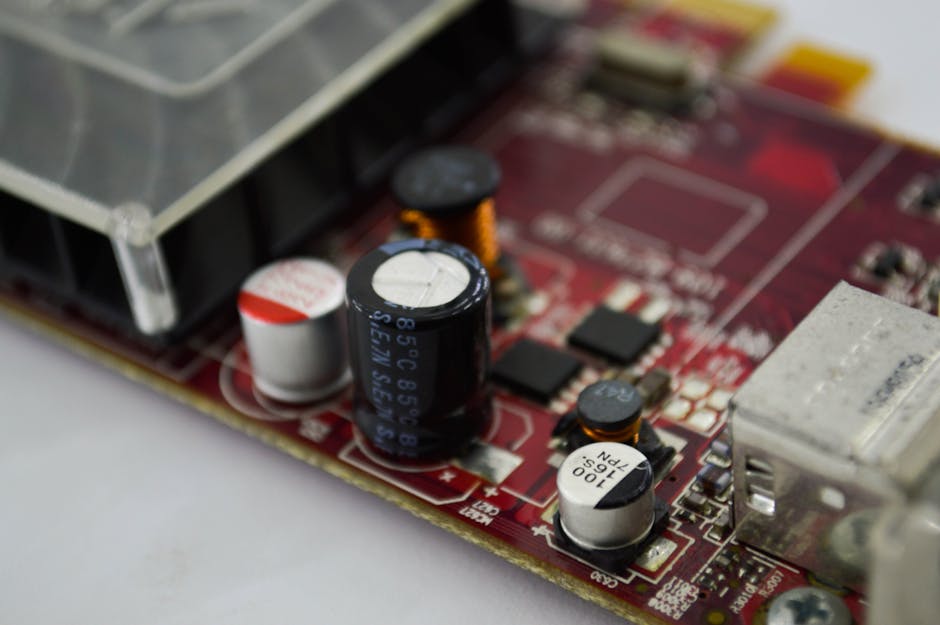
Quality matters when it comes to these portable powerhouses. Most modern battery powered outlets feature pure sine wave inverters that deliver clean, stable power virtually identical to what flows from your home’s wall outlets. This clean power is crucial for protecting sensitive electronics like laptops and medical equipment – unlike the choppy “modified sine wave” output from budget units that can potentially damage your precious tech.
When shopping for a battery powered outlet, you’ll notice capacity measured in watt-hours (Wh). Think of this as your portable fuel tank size – a 100Wh unit can theoretically power a 100-watt device for one hour or a 25-watt device for four hours. Modern lithium-ion batteries deliver impressive energy density, storing between 100-265 Wh per kilogram, making them dramatically more portable than old-school lead-acid batteries that manage only about 35 Wh per kilogram.
How a battery powered outlet works
The magic behind a battery powered outlet is surprisingly straightforward – though the technology is anything but simple!
When you plug in your coffee maker or charge your phone, your portable power station springs into action. The lithium-ion or LiFePO4 (lithium iron phosphate) battery cells release their stored DC power. A sophisticated battery management system (BMS) monitors everything, ensuring cells stay healthy and preventing any overheating mishaps.
The real change happens at the inverter, which converts the battery’s DC power into household-standard AC power (typically 110-120V). This conversion process is remarkably efficient in quality units – usually between 85-95% – though some energy inevitably converts to heat during the process.
Most units feature an array of connection options beyond just standard AC sockets. You’ll typically find USB ports for phones and tablets, DC outputs for specialized equipment, and sometimes even wireless charging pads. The charge controller carefully regulates incoming power when you’re replenishing the battery, whether from a wall outlet, car charger, or solar panels.
The best battery powered outlets include smart power-saving features that automatically shut down when no devices are drawing power – extending your battery life when you need it most. This intelligent energy management is particularly valuable during emergencies or extended off-grid trips when every watt-hour counts.
7 Must-Try Categories of Battery Powered Outlets
The world of battery powered outlets has grown incredibly diverse in recent years. Let’s explore seven distinct categories that might be perfect for your portable power needs – each with its own special advantages for different situations:
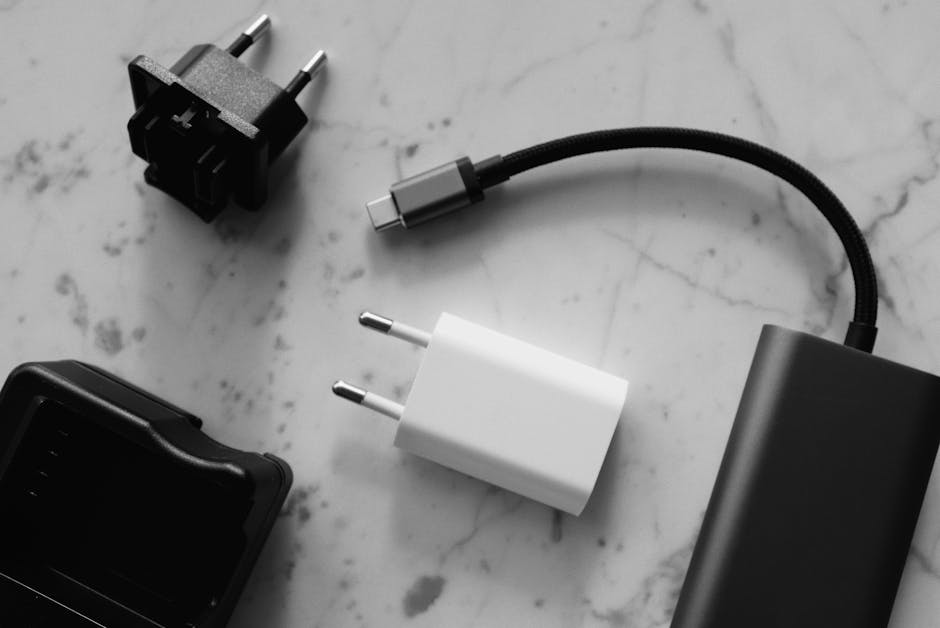
Portable Power Stations – the classic battery powered outlet
Think of these as the Swiss Army knives of portable power. From compact 88Wh models you can carry in one hand to powerhouse 2000Wh units that can run multiple appliances, these versatile stations are the backbone of the battery powered outlet family.
When you’re setting up camp miles from civilization or facing an unexpected power outage at home, these units deliver with their multiple AC outlets, USB ports, and DC outputs – all wrapped in a portable package with a convenient carrying handle. Bluetti, EcoPower and Anker units are a few big names
What makes them truly shine is their silent operation and solar-charging capability. Imagine powering your laptop, charging phones, and running a portable fridge at your campsite – all without the constant drone of a generator disturbing the peace of nature.
Power Banks with AC Outlet – pocket-sized convenience
For the digital nomads and road warriors among us, these compact powerhouses are game-changers. They combine traditional USB power bank functionality with a small but mighty AC outlet, typically offering between 65-100W of output.
Slip one of these in your laptop bag or even a large pocket, and you’ve got emergency power that’s TSA-approved for carry-on luggage. That means no more hunting for outlets at crowded airports or watching your laptop battery slowly die during an important presentation. With fast USB-C PD charging options, they’re perfect for extending your digital lifeline when wall outlets are nowhere to be found.
Tool-Battery Inverters – repurpose your drill packs
These adapters are brilliantly simple – snap in your tool battery, and suddenly you have AC power on your job site or in your workshop. With typical outputs of 200-400W, they’re perfect for running smaller tools, charging devices, or powering work lights without dragging extension cords everywhere.
Mini UPS Units – keep Wi-Fi & routers alive
There’s nothing more frustrating than losing internet during a brief power blip – especially when working from home or in the middle of a crucial video call. These compact uninterruptible power supplies are specifically designed to keep your digital lifelines running during those momentary outages.
Car Power Inverters – DC 12V to 110V on the road
Turn your vehicle into a mobile power station with these handy devices that plug into your car’s 12V socket or connect directly to the battery. They transform your car’s DC power into household AC electricity – perfect for road trips, tailgating, or creating a mobile office.
What makes these particularly attractive is their affordability and convenience – no separate battery to charge or maintain. The YSOLX 200W Car Power Inverter has become a road-tripper’s favorite, with thousands of units sold in recent months. Many models include USB charging ports alongside the AC outlets, making them versatile power hubs for all your devices while on the move.
Solar Generators – sunshine-fueled battery powered outlet
Despite the name “generator” (which is technically a misnomer), these systems are actually solar-rechargeable power stations that combine a battery powered outlet with integrated solar charging capability. They represent the perfect marriage of portable power and renewable energy.
At Pure Power Solutions, we’ve helped countless Northern California residents incorporate these systems into their energy independence strategy. Whether you’re living off-grid, preparing for emergency power needs, or simply want a cleaner alternative to gas generators, these silent, emission-free power sources offer remarkable versatility. Many models now feature expandable battery capacity, allowing you to scale up as your power needs grow – perfect for Solar Power with Battery Storage to Make Electricity Off-Grid.
Outlet-Cover Lights – hidden emergency lighting
Sometimes the simplest solutions are the most neat. These ingenious devices replace your existing outlet cover plates and provide automatic emergency lighting during power outages – particularly valuable in hallways, stairwells, and bathrooms where navigating in the dark can be dangerous.
Each of these battery powered outlet categories offers unique advantages, making them perfect for different situations and needs. The versatility of these portable power solutions means there’s likely a perfect match for whatever power challenges you’re facing.
Choosing the Right Battery Powered Outlet for Your Needs
Finding your perfect battery powered outlet companion is a bit like dating – you need to know what you’re looking for and be honest about your needs! Let’s break down how to find your ideal portable power match:
Matching capacity to device runtime
Ever run out of power just when you needed it most? Been there! The secret to avoiding this heartbreak is understanding how much juice your devices actually need.
Here’s the simple math that’ll save you from power disappointment:
Required capacity (Wh) = Device wattage (W) × Runtime hours (h)
Let’s put this into real-life terms. Your laptop probably draws about 60W, so running it for 5 hours would need 300Wh of capacity. That CPAP machine keeping you breathing soundly at night? At 30W for 8 hours of sleep, you’re looking at 240Wh. And that mini-fridge keeping your drinks cool on a camping weekend might need 600Wh to run for 10 hours.
Most devices are energy-hungry at startup (those surge watts add up!), so your battery powered outlet should have some extra oomph in its peak power rating.
Here’s a friendly comparison to help you visualize what different capacities actually mean for your everyday life:
| Capacity | Typical Size | Can Power | Ideal For | Approximate Price |
|---|---|---|---|---|
| 88-100Wh | Small (2-3 lbs) | Phone (10+ charges), Laptop (1-2 charges) | Personal travel, Short outages | $80-150 |
| 250-300Wh | Medium (5-7 lbs) | CPAP (8-10 hrs), TV (3-4 hrs) | Overnight camping, Medium outages | $200-350 |
| 1000Wh+ | Large (20+ lbs) | Mini-fridge (15+ hrs), Multiple devices | Extended off-grid use, Long outages | $800-1500+ |
Key specs checklist
Shopping for a battery powered outlet can feel overwhelming with all the technical jargon, but focusing on these key features will steer you right:
First, pay attention to the inverter type. Pure sine wave inverters deliver the same clean power as your home outlets – essential for sensitive electronics and medical devices. Your fancy coffee maker and CPAP machine will thank you! Modified sine wave options are cheaper but might make some equipment hum, flicker, or even refuse to work.
Battery chemistry matters too. Standard lithium-ion batteries are lighter (great for portability), but LiFePO4 (lithium iron phosphate) batteries will last through 2,000+ charging cycles instead of just 500-800. That’s the difference between replacing your unit in 2 years versus 5+ years!
Look at the variety of output ports – you’ll want enough AC outlets for your bigger devices, plus USB-A for your phone, USB-C PD for fast-charging newer devices, and maybe 12V DC outputs for car accessories. Think about all the gadgets you use in a typical day.
Charging flexibility is a lifesaver. The best units offer multiple ways to recharge – wall outlets, car chargers, and solar input. Speaking of solar, check the input voltage range if you’re planning to pair your battery powered outlet with solar panels for true off-grid freedom.
A good display is worth its weight in gold when you’re trying to manage power. Look for one that shows battery percentage, how many watts are coming in and going out, and estimated runtime remaining.
For growing power needs, some systems let you add external batteries later – perfect if you’re not quite sure how much capacity you’ll eventually need.
If you’re the outdoorsy type, check the IP rating for weather resistance. And always consider the weight – that 50-pound powerhouse might seem perfect until you have to lug it a quarter-mile to your campsite!
Here at Pure Power Solutions, we’ve helped countless folks across Sonoma, Napa, Marin, Mendocino, and Lake County find their perfect energy storage match. Whether you’re preparing for the next power outage or planning your off-grid dream home, we can help you steer the options and find a system that fits your unique energy storage needs.
Safe & Sustainable Use Cases
When it comes to versatility, battery powered outlets truly shine. They bridge the gap between convenience and eco-consciousness in ways traditional power sources simply can’t match.
Indoor vs outdoor operation of a battery powered outlet
Inside your home, battery powered outlets offer peace of mind without the drawbacks of gas generators. They’re perfect for keeping your home office running during unexpected outages or ensuring medical devices like CPAP machines stay powered through the night. Many of our clients in Sonoma County rely on these silent guardians to protect refrigerated medications or keep entertainment systems running during those all-too-common Public Safety Power Shutoffs.
The beauty of indoor operation lies in its simplicity and safety. With no emissions, no fumes, and no noise, these units can safely operate in your living space. Still, a few common-sense precautions apply:
Keep your unit in a well-ventilated area to prevent heat buildup, place it on non-flammable surfaces, and follow the manufacturer’s guidelines regarding maximum load. The National Electrical Code doesn’t specifically regulate these portable units, but treating them with the same respect as any electrical device is always wise.
For outdoor trips, battery powered outlets truly come into their own. Whether you’re camping under the stars in Mendocino, hosting a backyard gathering in Napa, or tackling a construction project far from power lines, these portable powerhouses deliver without disrupting nature’s peace.
When selecting a unit for outdoor use, pay special attention to the IP rating (which indicates weather resistance), operating temperature range, and overall durability. A unit that performs beautifully in your living room might struggle with morning dew at your campsite.
Environmental impact & solar recharging
The environmental benefits of battery powered outlets extend far beyond their immediate use. Unlike gas generators that constantly emit carbon dioxide, these silent workhorses produce zero direct emissions during operation. No noise pollution means wildlife isn’t disturbed, and there’s never a risk of fuel spills contaminating soil or water.
The lifecycle benefits are substantial too. Quality battery powered outlets typically last 10+ years with proper care, far outlasting many traditional generators. Many manufacturers now offer recycling programs for lithium batteries, further reducing environmental impact. The minimal maintenance requirements mean fewer replacement parts ending up in landfills.
For those interested in expanding beyond portable solutions, our off-grid solar energy storage systems provide comprehensive energy independence with the same environmental benefits on a larger scale.
Battery Powered Outlet vs. Gas Generator: Which Wins?
When it comes to portable power solutions, the battle between battery powered outlets and traditional gas generators isn’t even close anymore. Let’s break down why battery power is taking the lead for most people:

Remember the last time you tried to have a conversation near a running gas generator? Nearly impossible, right? Battery powered outlets operate in complete silence (0 dB), while some gas generators roar along at 60-75 dB—about as loud as your vacuum cleaner. That peaceful campsite or backyard gathering stays peaceful with battery power.
Then there’s the emissions factor. While a battery powered outlet produces zero direct emissions, gas generators pump out carbon monoxide, forcing you outside regardless of weather conditions. I’ve had countless clients tell me stories of having to stand in the rain to refuel their generators during power outages—not exactly a highlight of their day!
The maintenance difference is just as striking. With a battery powered outlet, you’ll do little more than an occasional full discharge/recharge cycle to keep things running smoothly. Gas generators? They’re practically begging for attention with regular oil changes, spark plug replacements, and fuel stabilization. One of our clients in Napa joked that his old generator required more maintenance than his vintage car.
When it comes to convenience, nothing beats the push-button simplicity of a battery powered outlet. Need power? Push a button and you’re running instantly. Meanwhile, gas generators require pulling a starter cord (sometimes multiple times), waiting for warm-up, and dealing with that distinctive gas-engine smell.
Perhaps most importantly, battery powered outlets are safe for indoor use, while gas generators should never, ever be used indoors due to the deadly carbon monoxide risk. This safety factor alone makes batteries the clear choice for many of our Northern California clients, especially during wildfire season when indoor air quality is already a concern.
Cost & maintenance showdown
Let’s talk dollars and sense. While gas generators typically have a lower sticker price ($300-$1,000) compared to equivalent battery powered outlets ($200-$3,000+), the true cost story unfolds over time.
Gas generators are thirsty beasts, consuming $2-5 worth of fuel per hour of operation. Those costs add up quickly during extended outages. Meanwhile, recharging a battery powered outlet costs mere pennies, especially if you’re using solar panels to capture free sunshine.
The maintenance gap widens the cost difference even further. Battery powered outlets require virtually no maintenance for the first 3-5 years of use. Gas generators demand regular oil changes, filters, spark plugs, and other parts that can easily cost $50-100+ annually. Not to mention the time you spend on this maintenance—time you could spend doing literally anything else more enjoyable.
Lifespan is another area where batteries shine. A quality battery powered outlet will serve you faithfully for 5-10 years with 500-2,000+ charge cycles. Gas generators typically need major service or replacement after just 3-5 years of regular use. As one of our Sonoma clients put it: “My battery system just keeps working while my neighbor’s on his third generator since the 2019 outages.”
Curious if a battery system could replace your generator entirely? We’ve helped hundreds of homeowners make this transition. Can Battery Storage Replace a Generator? Our detailed analysis will help you decide if it’s the right move for your specific needs.
Frequently Asked Questions about Battery Powered Outlets
How long can a battery powered outlet run my devices?
One of the most common questions I hear from folks considering a battery powered outlet is about runtime expectations. The truth is, it depends on three key factors working together: your battery’s capacity (measured in watt-hours or Wh), how much power your device draws (in watts), and the efficiency of your inverter.
Here’s a simple formula that helps my clients visualize their expected runtime:
Runtime (hours) = Battery capacity (Wh) × 0.85 (efficiency factor) ÷ Device power (W)
Let me break this down with some real-world examples:
If you have a 500Wh battery powered outlet, you could power a 60W laptop for about 7 hours of work time. That same unit could keep a 10W LED light glowing for approximately 42 hours during an outage. Or maybe you want to watch TV during a power cut – a 100W television would run for roughly 4.25 hours.
Many appliances like refrigerators don’t draw constant power – they cycle on and off. This means your actual runtime might be longer than the basic calculation suggests, as the average power consumption is often lower than the rated power.
Can I use a battery powered outlet for whole-home backup?
While I’d love to tell you that a pocket-sized power bank could run your entire house, the reality is that smaller battery powered outlets simply aren’t designed for powering an entire home. However, the larger units (1,000Wh and above) can definitely handle essential circuits during an outage.
For a meaningful home backup solution, you’re looking at:
- A substantial capacity system (at least 3,000Wh for minimal backup)
- Higher output capability (2,000W+ continuous power)
- Possibly multiple units or a system with expandable battery capacity
At Pure Power Solutions, we specialize in designing whole-home backup systems using larger-scale battery storage solutions throughout Northern California. We can integrate these systems with solar panels for continuous recharging during extended outages, giving you true energy independence whether you’re in Sonoma, Napa, or elsewhere in our service area.
For comprehensive whole-home applications, we typically recommend permanent installations rather than portable battery powered outlets, though the underlying technology is quite similar in principle. These larger systems can seamlessly power your critical loads when the grid goes down.
What’s the safest way to recharge a battery powered outlet?
Most modern battery powered outlets offer multiple recharging methods, each with its own set of advantages depending on your situation.
Wall Outlet (AC) Charging is typically the fastest and most convenient method. You’ll usually get a full recharge in 2-8 hours depending on your unit’s capacity. This is your go-to option when grid power is available.
Car Charging (12V DC) provides moderately fast charging from your vehicle’s power system. It’s incredibly useful while driving or when grid power isn’t available. Just be mindful that it may drain your vehicle’s battery if the engine isn’t running.
Solar Panel Charging is my personal favorite and what many of our clients prefer. It’s completely renewable and available even during power outages. Your charging speed will depend on your panel size and sunlight conditions, but there’s zero ongoing cost after your initial investment.
For safe recharging, always follow the manufacturer’s guidelines for input voltage and current. Ensure there’s adequate ventilation around your battery powered outlet while it’s charging, and never cover it. Only use compatible solar panels with the appropriate voltage, and try to avoid charging in extreme temperatures.
Conclusion
The evolution of battery powered outlets has transformed how we think about portable power. From pocket-sized units that keep our phones charged to powerful stations that can run refrigerators during outages, these versatile devices offer clean, quiet alternatives to traditional generators.
As we’ve explored in this article, battery powered outlets come in many forms—from compact power banks with AC outlets to comprehensive solar generators. The right choice depends on your specific needs, whether you’re preparing for emergencies, enjoying outdoor trips, or seeking energy independence.
Key takeaways about battery powered outlets:
- They provide clean, silent power without emissions
- Modern lithium batteries offer excellent energy density and longevity
- Pure sine wave inverters deliver grid-quality power for sensitive electronics
- Solar recharging capabilities enable truly off-grid power solutions
- They require virtually no maintenance compared to gas generators
The future of portable power is here—clean, quiet, and increasingly affordable. As battery technology continues to advance, we expect battery powered outlets to become even more capable and accessible, further reducing our dependence on fossil fuels for backup and portable power needs.
Ready to cut the cord? Explore full off-grid and battery storage options with our team today — learn more here.


